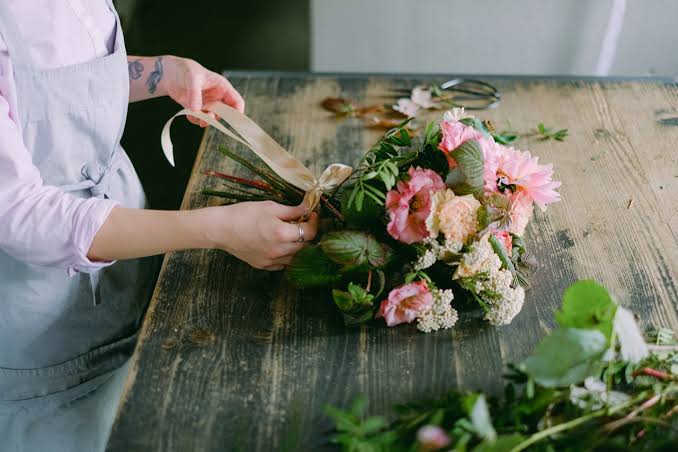
Wedding flowers are the one element of a wedding that exists for a single day and shapes every photograph taken in it.
That combination makes people either overspend wildly or underspend and regret it. Neither is necessary. What you actually need is a clear list of what gets flowers, an honest budget, and a booking timeline.
This guide covers all three, from the perspective of a florist who has set up more Sydney weddings than they can count.
The Standard Wedding Flowers Checklist
Personal Flowers
- Bridal bouquet
- Bridesmaid bouquets (usually smaller versions)
- Buttonholes for the groom, groomsmen, fathers and grandfathers
- Corsages for mothers and grandmothers
- Flower crowns or hair flowers
- Flower girl posies or petals
Personal flowers are non-negotiable and usually account for 25 to 35% of the total.
Ceremony Flowers
- Arch, arbour or chuppah installation
- Aisle arrangements or petals
- Signing table arrangement
- Pedestal arrangements or urns
- Entrance statement
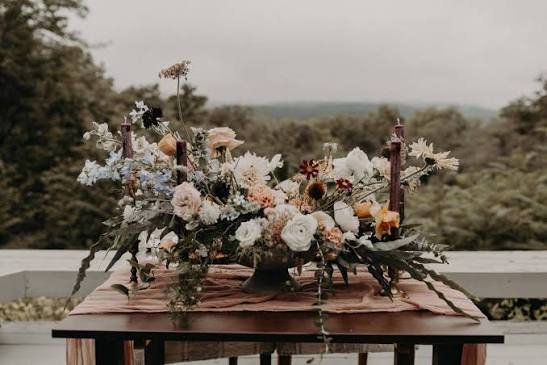
Ceremony wedding flowers are photographed intensely for a short period. This is where a single strong installation beats many small ones.
Reception Flowers
- Table centrepieces (long tables and rounds need different designs)
- Bridal or head table
- Cake flowers
- Bar, welcome sign and place-card table arrangements
- Any hanging or suspended installation
Reception flowers are usually the largest line item simply because of the quantity of tables.
What Wedding Flowers Realistically Cost
As a rule of thumb, flowers land between 8% and 15% of a total wedding budget. Photograph-led weddings push higher, garden ceremonies with strong existing greenery push lower.
Personal flowers only (bouquets and buttonholes): roughly $600 to $1,500.
Personal plus a simple ceremony arrangement and modest centrepieces: roughly $2,000 to $4,000.
Full floral wedding with an arch installation and generous reception work: $5,000 to $12,000.
Statement floral weddings with suspended installations and long-table runners: $15,000 and up.
Those ranges assume Sydney labour, delivery, set-up and bump-out. A quote without set-up included is not a real quote.
Where the Money Actually Goes
Stems are usually less than half. The rest is labour, mechanics (foam, wire, vessels, frames), delivery, on-site installation and often a late-night pack-down.
That is why doubling the number of tables does not double the price, but adding a suspended installation might.
Booking Timeline
12 to 18 months out: confirm your date and venue. Note any venue restrictions on candles, hanging points, set-up times and confetti.
9 to 12 months out: engage a florist for peak-season Sydney weddings (October to April). Good studios book out.
6 to 9 months out: first proper design consultation. Bring your dress silhouette, colour palette, venue photos and inspiration.
- months out: confirm the design, finalise the vessel list and lock the delivery schedule.
- to 6 weeks out: final numbers, final invoice, final run sheet with times and addresses.
Week of: confirm access, parking, loading docks and the venue contact.
Seasonality Matters More Than Any Other Decision
Australian weddings cluster heavily in the warmer months, which is precisely when heat management becomes a design constraint. The Australian Bureau of Statistics’ marriage and divorce statistics show clear seasonal patterns in when couples marry, and florists feel that curve directly in both pricing and availability.
By season:
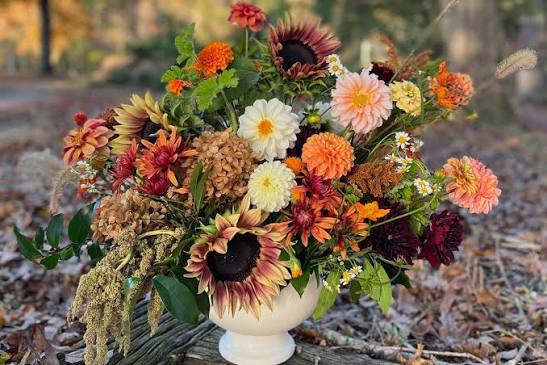
Spring (September to November): peak beauty and peak value. Ranunculus, tulips, sweet peas, stock, blossom, early dahlias, peonies late in the window.
Summer (December to February): dahlias, hydrangeas, lisianthus, gardenia, tropicals, natives. Heat is the enemy. Water tubes, shade and late set-up become critical.
Autumn (March to May): the sleeper best season. Chrysanthemums, dahlias, proteas, banksia, berries, warm palettes and excellent longevity.
Winter (June to August): anemones, ranunculus, tulips, hellebores, natives and dramatic foliage. Best vase life of the year and often better pricing.
If you want peonies, marry in October or November. If you want cheap and abundant, marry in autumn or winter.
The Craft Behind It
Wedding floristry is engineering as much as art. An arch installation has to survive wind, an unrefrigerated van and six hours in the sun. Bouquets have to look fresh at 11am and at 11pm.
That is trained knowledge. Western Sydney University’s horticultural science program covers plant physiology, postharvest handling and plant protection, which is the same body of understanding a florist applies when deciding which stems can go out of water and for how long.
Ask a prospective florist how they will keep your bouquet hydrated between the ceremony and the reception. The quality of the answer tells you everything.
The Five Most Expensive Mistakes
- Booking late. Peak-season Sydney studios fill nine months out.
- Chasing out-of-season blooms. Peonies in February cost several times their spring price, if available at all.
- Spreading the budget thin. Twelve small arrangements read as less than three strong ones.
- Forgetting set-up and bump-out. These are real labour costs and must be in the quote.
- Ignoring venue restrictions. Hanging points, candle rules and set-up windows can invalidate a design entirely.
Getting More for Less
Repurpose ceremony flowers at the reception, and brief your florist to design for it. Use fewer, larger arrangements. Lean on foliage and texture. Choose a single strong feature rather than many small ones. Marry in autumn or winter. Consider dried and preserved elements, which cost less and last forever.
And tell your florist your real number at the first meeting. A good one will design to it. A florist who does not ask your budget is not designing, they are guessing.
Frequently Asked Questions
How far ahead should I book my wedding flowers?
Nine to twelve months for peak season in Sydney, six months minimum otherwise.
What percentage of the budget should flowers be?
8% to 15% is normal. Go higher if flowers are central to your look.
Can I supply my own vases?
Usually yes, and it can save money. Confirm quantity, style and drop-off timing well in advance.
Do I need flowers for every table?
No. Alternating floral centrepieces with candle groupings looks intentional and costs considerably less.
What happens to the flowers afterwards?
Give them away to guests, or arrange for your bouquet to be professionally dried and preserved.
Will my bouquet survive an outdoor summer ceremony?
With the right stems and hydration, yes. Say the ceremony is outdoors and in full sun at the first consultation.
The Takeaway
Wedding flowers work when you book early, buy in season, concentrate the budget into fewer strong statements, and give your florist an honest number.
Do that and the flowers will look like they cost twice what they did, in every photograph, forever.